




Meta tag — A Simple but Powerful Guide
Meta tags are tiny pieces of code that play a significant role in how a webpage communicates with search engines, browsers, and online platforms — even though they are invisible to ordinary visitors. In this blog post, we’ll explore what meta tags are, why they matter, how they work, and how they’re used in modern web design and search engine optimization (SEO).
What Are Meta Tags?
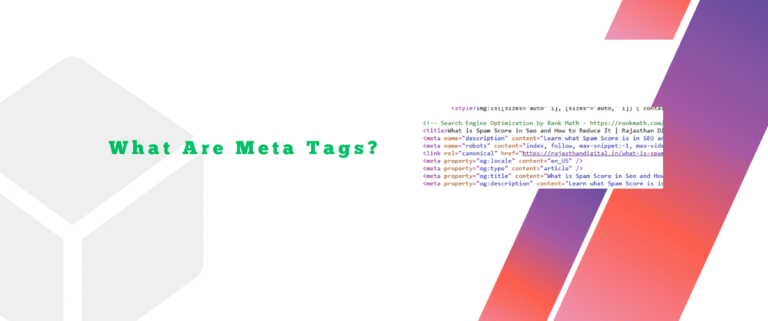
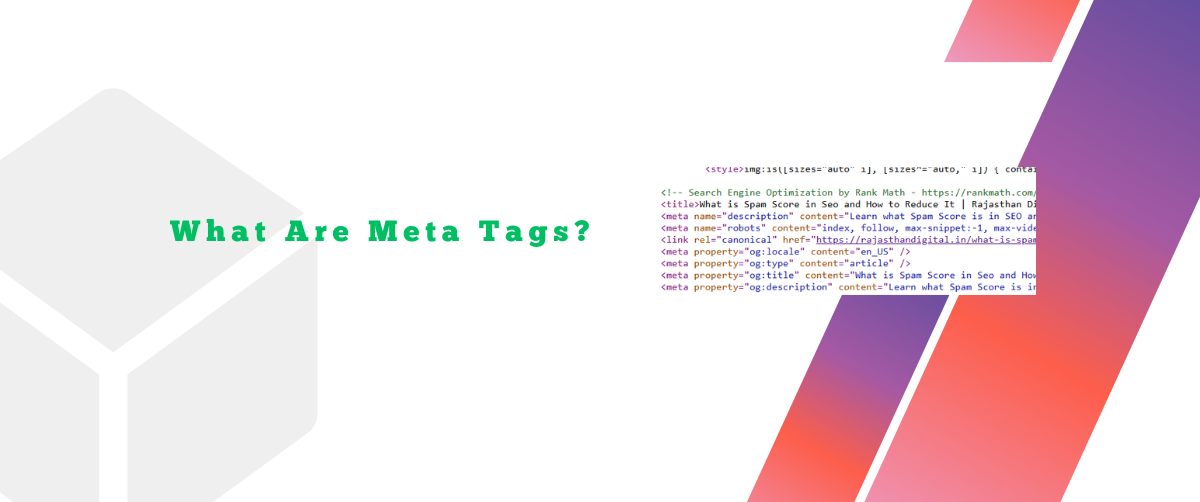
Meta tags are HTML elements placed within the <head> section of a webpage. They provide metadata — that is, information about the page itself, not content that users see while browsing. Search engines and browsers read these tags to understand the page’s content, language, behavior, or other technical aspects.
- “Meta” means “about” — so meta tags are literally tags about other data.
- They do not change what a visitor sees, but they can influence how content appears in search results or how a page behaves.
In simple terms, think of meta tags as invisible labels that describe your webpage to the digital world.
Why Meta Tags Are Important
Although meta tags are hidden from regular users, they are essential for website performance and visibility online. Some of the key reasons they matter:
- They help search engines understand what your page is about, improving indexing and ranking.
- They control how your content appears in search results, which affects user clicks.
- Some meta tags guide browsers on how to render your page, for example on mobile devices.
- They can set instructions for search engine bots on whether to crawl or index a page.
Without well-structured meta tags, your page might not reach its full potential in search visibility or user engagement.
Where Meta Tags Go
All meta tags are placed inside the <head> section of a webpage’s HTML code. For example:
<head>
<meta charset=”UTF-8″>
<meta name=”description” content=”A brief summary of the page.”>
</head>
This placement ensures browsers and search engines read them before they interpret the rest of your content.
Common Types of Meta Tags
There are several meta tags that every website designer or SEO specialist should know. Below are the most commonly used ones:
🔹 Title Tag
- Defines the title of the webpage.
- Appears as the clickable headline in search results and in the browser tab.
- Though not technically a “meta” tag, it’s closely associated and typically placed with them.
🔹 Meta Description Tag
- Provides a short summary of a page’s content.
- Often shown in search result snippets under the title.
- A well-written description can attract more clicks.
🔹 Meta Robots Tag
- Gives search engine crawlers instructions about indexing and link following.
- Can include directives like noindex, nofollow, etc.
🔹 Charset Meta Tag
- Specifies the character encoding used on a page (like UTF-8).
- Ensures characters and text display correctly.
🔹 Viewport Meta Tag
- Controls how a webpage is displayed on mobile devices.
- Important for responsive design.
Examples of Meta Tags (Explained in Simple Words)
Here’s what common meta tags might look like in HTML:
- Character Encoding
<meta charset=”UTF-8″>
This tells the browser how to read text on the page, especially symbols and special characters.
- Page Description
<meta name=”description” content=”An easy guide explaining meta tags.”>
This summary helps search engines and users know what your page covers.
- Control Crawling
<meta name=”robots” content=”index, follow”>
This tells search crawlers they can index and follow links on the page.
- Mobile Viewport
<meta name=”viewport” content=”width=device-width, initial-scale=1.0″>
This basic setting makes sure your site scales nicely on phones and tablets.
Quick Benefits of Using Meta Tags
Here are some bullet-point highlights of what meta tags help you achieve:
- Improved understanding by search engines of your content
- Better visibility in search results
- Clear instructions on indexing and crawling
- Enhanced presentation on social media platforms [Open Graph & Twitter Cards]
- Better responsiveness and user experience on mobile devices
SEO and Meta Tags — What You Should Know
In search engine optimization, meta tags are like secret helpers behind the scenes. They don’t guarantee top ranking, but they influence how search engines perceive and display your content. A clear title and helpful description can increase clicks from search results, which in turn can improve visibility and traffic.
Strong meta tags also provide structure — letting crawlers know if they should index your page, follow links, or show your content in search listings.
Tips for Writing Effective Meta Tags
Although meta tags are technical elements, writing them well is both art and strategy. Consider these tips:
- Keep descriptions concise but descriptive. Users should understand the page purpose quickly.
- Include important keywords, but don’t overdo it.
- Match what the page actually contains. Misleading tags can hurt user trust.
- Use responsive viewport settings to help mobile users.
Control crawl behavior only when necessary (e.g., for pages you don’t want indexed).
Conclusion: Simple Words, Big Impact
Meta tags are like invisible signposts on your webpage. They don’t show up to everyday visitors, but they guide browsers and search engines to understand, display, and sometimes prioritize your content. When you craft them thoughtfully — with clear titles, compelling descriptions, and correct settings — you help your webpage speak the right language online. They may be small pieces of code, but they can make a big difference in how your content performs in search and user experience.
In simple terms: meta tags make your page easier for machines to understand and easier for people to find.